
Designing a Checkout Area That Drives Efficiency and Sales
In retail, the checkout area is more than just a payment station — it’s the final touchpoint of the customer journey. The way this space is designed can directly impact customer satisfaction, staff efficiency, and even overall sales performance. A well-planned checkout setup creates a smooth, organized environment that leaves shoppers with a positive last impression.
Why the Checkout Zone Matters
The moment customers approach the register, they’ve already made their purchasing decisions. Now the focus shifts to speed, comfort, and convenience. Long wait times, cluttered counters, or disorganized layouts can quickly frustrate shoppers and diminish the overall experience.
A properly designed cash register counter helps streamline transactions while keeping essential tools within reach. From payment terminals to receipt printers and bagging space, every component should have a designated place to avoid unnecessary movement and delays.
Balancing Function and Presentation
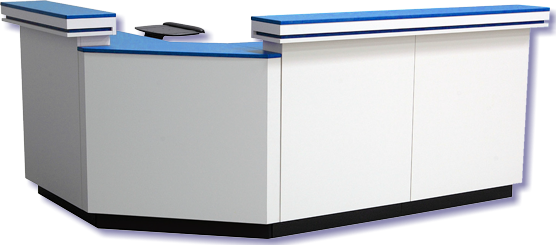
While functionality is critical, appearance should not be overlooked. The checkout area is often one of the most visible parts of a retail store. Clean lines, coordinated finishes, and integrated storage solutions create a polished and professional look.
A thoughtfully selected cash register counter can also support brand consistency. Whether the store leans modern, industrial, boutique, or minimalist, the checkout fixture should complement the overall design rather than feel like an afterthought.
Encouraging Impulse Purchases
The checkout area presents a prime opportunity for additional sales. Small accessories, seasonal add-ons, or promotional items displayed near the register can increase average transaction value. The right counter design provides space for these impulse products without interfering with workflow.
Strategic placement is key — products should be visible but not cluttered. Keeping displays organized ensures customers can quickly browse while waiting without feeling overwhelmed.
Supporting Staff Workflow
Behind the counter, efficiency is everything. Staff need adequate space for handling transactions, organizing returns, and managing packaging materials. A well-designed counter minimizes unnecessary reaching or bending, helping reduce fatigue during busy shifts.
Integrated storage compartments, drawers, and shelving keep supplies organized and accessible. When employees can work comfortably and efficiently, the entire checkout process feels smoother for customers.
Planning for Long-Term Use
Retail environments are dynamic, and checkout areas must adapt to evolving technology and customer expectations. Choosing a durable, flexible counter ensures it can accommodate new payment systems, updated hardware, or changes in layout over time.
Investing in a quality cash register counter supports both day-to-day operations and long-term growth. With the right design in place, retailers can create a checkout experience that feels organized, efficient, and aligned with their brand — leaving customers with a positive final impression every time.